
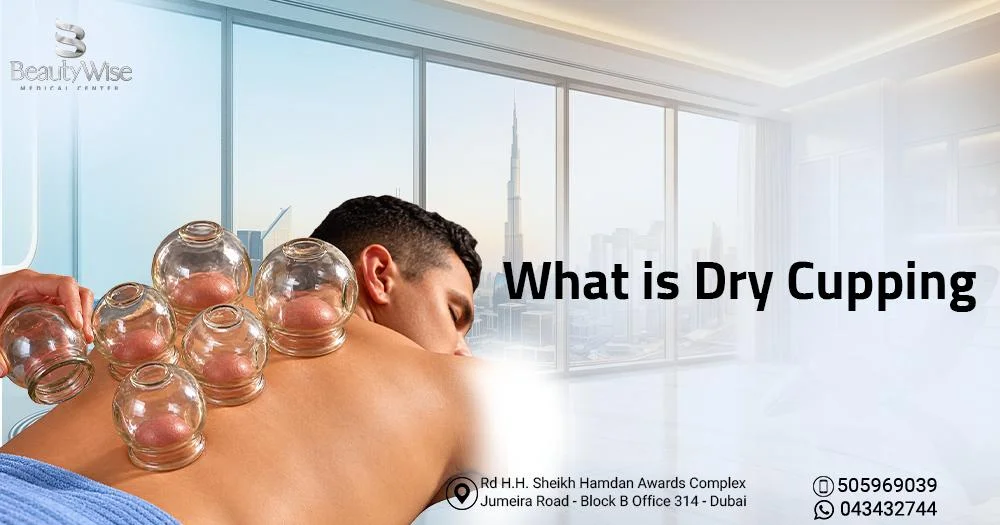
What are the benefits of hijama? In short, hijama helps in the treatment of muscle pain, neck and back tension, and tension headaches, and many people find it relaxing. The benefits of hijama are best seen as complementary support rather than a cure, and research is still limited. It is not suitable for everyone, so a screening comes first. This guide explains the main benefits, the limits, and what a session involves at Beauty Wise Medical Center.
Table of Contents
Benefits of Hijama
Hijama is a traditional form of wet cupping. A trained practitioner places cups on the skin to create suction, makes tiny superficial incisions, and draws out a small amount of blood. It has been practiced for centuries across the Middle East, and it remains popular in Dubai today.
The suction lifts tissue, increases local blood flow, and relaxes tight muscles. Practitioners describe this as a way to release tension and refresh circulation. Scientists are still studying the exact mechanisms, so the benefits of hijama should be described honestly, as supportive and not guaranteed.
Main Benefits of Hijama for Pain and Muscle Tension
The potential benefits of hijama for pain and muscle tension are among the main reasons some people consider cupping as a complementary therapy. Research has reported possible reductions in pain intensity for certain musculoskeletal conditions, including neck, shoulder, and lower back pain. However, the available evidence varies in quality, and more well-designed research is needed to determine how effective cupping is for different types of pain.
Neck Pain and Shoulder Tension
Some people consider hijama when dealing with muscular tension around the neck and shoulders, particularly after prolonged sitting or repetitive activities. Studies of cupping for musculoskeletal pain have reported possible improvements in pain scores, although results are not consistent across all studies.
Lower Back Pain
Lower back pain is another area in which cupping has been studied as a complementary approach. Some research suggests that cupping may be associated with short-term changes in pain intensity, but it should not be considered a replacement for appropriate medical assessment or evidence-based treatment for persistent back pain.
Tension Around the Head and Neck
People experiencing muscular tightness around the neck and upper back may consider cupping as part of a broader relaxation or pain-management routine. Any perceived reduction in tension can vary from person to person, and recurring or severe headaches should be medically evaluated to identify the underlying cause.
Relaxation After Physical Activity
Some clients choose hijama or dry cupping after physically demanding activities because they find the session relaxing. This experience is subjective and should be viewed as a potential complementary benefit rather than a guaranteed therapeutic effect.
What Does the Evidence Say About Hijama for Pain?
Research on cupping and pain management remains mixed. Some small clinical studies report improvements in pain scores, while limitations such as small sample sizes, differences in treatment methods, and study quality make it difficult to draw firm conclusions. Hijama can be considered a complementary therapy, but it should not replace medical evaluation or prescribed treatment when needed.
Other Benefits of Hijama Patients Commonly Report
Beyond pain, many patients mention better sleep, less daily fatigue, and a calmer mood after a series of sessions. These effects are self-reported and may be linked to muscle relaxation and the calm setting. They are real experiences for many people, but they are not clinical guarantees.
Some people also seek hijama for skin clarity or general wellness. Hijama therapy benefits in these areas rely mostly on tradition and personal reports. At Beauty Wise Medical Center, we do not promise weight loss, fertility, or disease cure, and we encourage realistic expectations.
The Benefits of Hijama Compared With Dry Cupping and Massage
Dry cupping uses suction only and does not involve incisions, while hijama adds a controlled release of a small amount of blood. Some people prefer dry cupping for its gentler feel. Others choose hijama because they associate it with a deeper sense of release along the back.
Massage presses tissue down, while cupping lifts it away from the muscle beneath. The advantages of cupping therapy include reaching deeper layers without heavy manual pressure. Neither option replaces medical care, and both can be combined with stretching or physiotherapy for longer lasting comfort.
Read more: Hijama for Stress & Anxiety Dubai
Who Can Enjoy the Benefits of Hijama Safely?
Healthy adults with muscle tension or stress-related tightness are usually good candidates. A consultation checks blood pressure, hemoglobin history, medications, and skin condition before any cup is placed. Sessions should always use sterile, single-use equipment in a licensed clinic, because safe practice matters as much as the technique.
Avoid hijama during pregnancy, and use caution with anemia, low blood pressure, bleeding disorders, blood thinners, and active skin infections. Women should also avoid sessions during heavy periods. If you manage a chronic condition, speak with your doctor first so the benefits of hijama are not outweighed by avoidable risks.
Read more: Types of Hijama
What to Expect Before You Enjoy the Benefits of Hijama
Your visit begins with a consultation and a clear plan. You lie comfortably while the practitioner cleans the skin and applies sterile cups. After a few minutes, the cups are removed, tiny incisions are made, and cups are reapplied to collect a small amount of blood.
Most people feel pressure and mild pulling instead of sharp pain. A session usually lasts 30 to 45 minutes. Round marks appear where the cups sat and typically fade within one to two weeks, so plan around events where the skin will be visible.
Afterward, drink water, rest, and avoid hot showers, heavy exercise, and direct sun on the treated area for 24 hours. To keep the benefits of hijama consistent, most practitioners suggest spacing sessions four to six weeks apart and reviewing progress before repeating.
What Affects the Cost of Hijama Sessions
The cost of hijama sessions can vary depending on the treatment plan and individual requirements. Factors such as the number of cups, treatment areas, session duration, and whether you book a single appointment or a package can all affect the final price. Because each plan is personalized, the exact cost is typically confirmed after consultation, with no hidden fees.
Number of Cups and Treatment Areas
The number of cups used and the areas selected for treatment can influence the overall cost. Sessions covering multiple areas may require additional preparation and treatment time compared with a more focused appointment.
Session Duration and Treatment Technique
The length of the session and the type of cupping used can also affect pricing. Wet cupping, for example, involves additional preparation and sterile equipment because it includes superficial skin incisions.
Single Session or Package
Some clients book an individual hijama session, while others may ask about packages. The most appropriate option depends on individual circumstances, and a package should not be assumed to be necessary for every client.
Hygiene and Single-Use Equipment
When comparing hijama providers, consider hygiene standards alongside price. Ask whether sterile, single-use equipment is used for every session and whether the clinic follows appropriate cleaning and preparation procedures.
Practitioner Qualifications and Aftercare
It is also useful to ask about the practitioner’s training and what is included after treatment. Clear aftercare instructions and access to follow-up guidance can be important parts of the overall service.
Transparent Pricing at Beauty Wise Medical Center
Beauty Wise Medical Center provides personalized pricing based on the consultation and planned treatment. The expected cost is explained clearly before the session, allowing clients to understand what is included without unexpected fees.
Read more: Hijama Wet Cupping vs Dry Cupping
Beauty Wise Best Medical Center
Beauty Wise Medical Center in Jumeirah 1, Dubai, combines medical expertise with a calm, private environment. Every hijama plan begins with a consultation, so your goals, health history, and comfort guide the session rather than a one-size-fits-all routine. Our aim is to help you enjoy the benefits of hijama with confidence.
As a fully integrated medical and aesthetic center, we combine dental care, cosmetic surgery, and skincare under one roof.
Why Choose Beauty Wise Medical Center for Hijama
Choosing a medical center for hijama involves more than comparing treatment prices. The clinical environment, hygiene practices, health screening, practitioner approach, and aftercare all matter when planning a session. Beauty Wise Medical Center provides hijama in Dubai within a private clinical setting, with personalized consultations, sterile equipment, transparent pricing, and clear aftercare guidance.
MOHAP-Licensed and Fully DHA-Compliant Medical Center in Dubai
Beauty Wise Medical Center is MOHAP-licensed and fully DHA-compliant, providing hijama within a professional medical environment in Dubai. Clients can discuss their health history and treatment needs with trained practitioners in a structured clinical setting.
Pre-Session Consultation and Health Screening
Before hijama, the practitioner reviews relevant health information and asks about factors such as pregnancy, anemia, blood pressure, medications, and existing medical conditions. This helps determine whether hijama is appropriate and whether any precautions should be considered before treatment.
Sterile, Single-Use Cups and Strict Hygiene Practices
Hygiene is an important part of professional hijama, particularly when wet cupping involves breaking the skin. Beauty Wise uses sterile, single-use equipment for every session and follows appropriate cleaning and preparation procedures throughout the treatment.
Private Rooms Designed for Comfort and Discretion
Hijama sessions are provided in private rooms designed to support comfort and discretion. Clients can discuss their health information and treatment preferences in a more private clinical environment.
Transparent and Personalized Hijama Pricing
The cost of hijama can vary according to the treatment plan, technique, areas treated, and session requirements. Beauty Wise provides personalized pricing and explains the expected cost clearly, with no hidden fees.
Integrated Hijama, Cosmetic, and Skincare Services
Beauty Wise combines hijama with cosmetic and skincare services within the same medical center. Clients can discuss additional wellness or aesthetic concerns with the clinical team and explore appropriate services according to their individual needs.
Clear Aftercare Guidance and Follow-Up Support
After every session, clients receive clear aftercare instructions covering how to care for the treated areas and what to expect following treatment. Follow-up support is also available when additional guidance or assessment is appropriate.
Luxury and Comfortable Patient Experience in a Private Clinical Setting
Beauty Wise provides hijama in a private clinical environment designed around comfort and discretion. From the initial consultation through treatment and aftercare, the focus remains on clear communication and an individualized patient experience.
Book Your Free Hijama Consultation Today
Ready to find out whether hijama is right for you? Book a free consultation, and our team will answer your questions and design a safe, personalized plan around your health and goals.
Contact us now to schedule your free consultation via WhatsApp or call us at +971 050 277 3120
Frequently Asked Questions
What are the main benefits of hijama?
The main benefits of hijama are relief from muscle pain and tension, a feeling of relaxation, and improved comfort in the neck, shoulders, and back. Evidence is limited overall, though clearer for pain than for other claims, and hijama works best as a complementary therapy, not a replacement for medical treatment.
How quickly do the benefits of hijama appear?
Some people feel lighter and more relaxed within a day or two, while pain relief may build over a few sessions. Results vary by person and condition. If you notice no improvement after a couple of sessions, your practitioner may adjust the plan or recommend other care.
Is hijama safe?
Hijama is generally considered low risk when performed by a trained practitioner using sterile, single-use equipment. Risks include bruising, temporary soreness, dizziness, and infection when hygiene is poor. Always choose a licensed clinic and share your full medical history before booking.
Are the benefits of hijama proven by science?
Research is mixed. Some small trials support pain relief, but many studies are limited by size and design. For that reason, the benefits of hijama should be viewed as supportive, and any medical condition should still be managed by a qualified doctor.